Call us now :07971549307
 Send Inquiry
 Send Inquiry
Water Treatment Chemicals
Water Treatment Chemicals Specification
- Shelf Life
- Typically 1-2 years depending on the product
- EINECS No
- Varies depending on the specific chemical
- Structural Formula
- Specific to the chemical used
- Smell
- Odourless
- Density
- 1.2 Gram per cubic centimeter(g/cm3)
- Taste
- Neutral
- Poisonous
- NO
- Grade
- Industrial grade or food grade depending on the intended application
- Refractive Rate
- Depends on the chemical typically not specified
- Storage
- Store in a cool dry place in tightly sealed containers away from direct sunlight
- Appearance
- Transparent liquid or white crystalline solid
- Ingredients
- Varies; can include chlorine coagulants flocculants or pH regulators
- Properties
- Effective in killing pathogens reducing contaminants and maintaining water quality
- Usage
- Used in municipal water treatment plants industrial wastewater systems and domestic applications
- Ph Level
- Typically 6-8 for balanced water treatment chemicals
- Purity
- Varies by product typically between 80-99%
- CAS No
- Varies by chemical e.g. 7681-52-9 for sodium hypochlorite
- Solubility
- Highly soluble in water
- Molecular Weight
- Varies depending on the specific chemical
- Molecular Formula
- Varies (e.g. NaClO for sodium hypochlorite)
- Melting Point
- Varies based on chemical composition e.g. 18C for NaClO
- Application
- Water purification disinfection pH control and scaling prevention
- Shape
- Liquid or fine granular solid
- HS Code
- 3808.94.90
- Physical Form
- Liquid granular or powder forms
About Water Treatment Chemicals
one of the largest water treatment chemical manufacturer down of India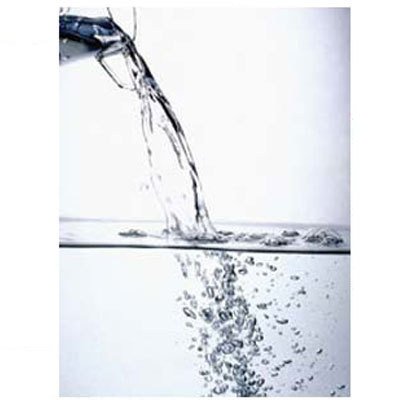
Tell us about your requirement

Price:
Quantity
Select Unit
- 50
- 100
- 200
- 250
- 500
- 1000+
Additional detail
Mobile number
Email

More Products in Speciality Chemicals Category
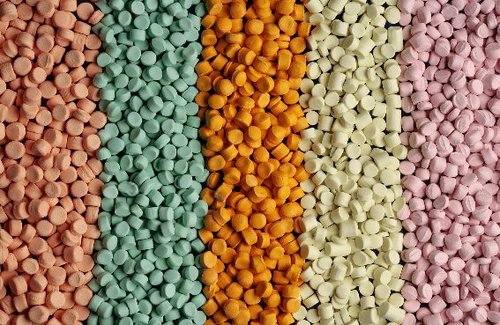
Rubber Chemicals
CAS No : Depends on the compound (e.g. 102067 for Diphenylguanidine)
Molecular Formula : Varies depending on the specific rubber additive (e.g. C14H22N2O2S2 for a common antioxidant)
Melting Point : Range of 60C to 180C depending on the specific chemical
Solubility : Soluble in organic solvents insoluble in water
Molecular Weight : Varies (e.g. 310.46 g/mol for certain antioxidants)
Shape : other, Irregular shapes for powders; granules are typically uniform
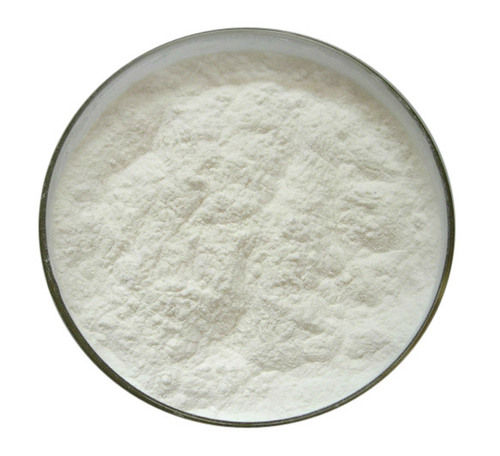
Hydroquinone
CAS No : 123319
Molecular Formula : C6H6O2
Melting Point : 172C
Solubility : Soluble in water alcohol and ether
Molecular Weight : 110.11 g/mol
Shape : Irregular crystalline shape, other
Acrylic Polymers For Detergents
CAS No : 9003014
Molecular Formula : C3H4O2
Melting Point : Varies depending on composition
Solubility : Soluble in water
Molecular Weight : 72.06 g/mol
Shape : Irregular
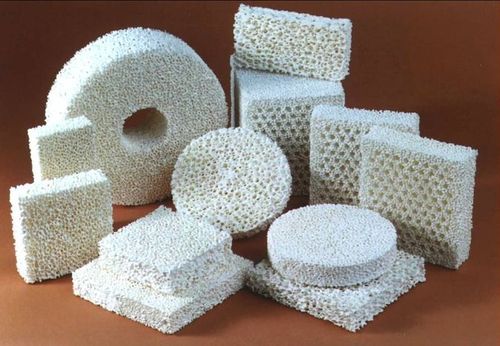
Polyurethane Raw Materials
CAS No : Varies based on specific compound (e.g. 101688 for MDI or 584849 for TDI)
Molecular Formula : Variable (depends on specific polymer type)
Melting Point : Varies by composition typically softens rather than melts
Solubility : Insoluble in water; soluble in organic solvents (e.g. acetone)
Molecular Weight : Varies by formulation
Shape : Liquid or granular (depending on form), other

 Send Inquiry
Our Products

7/1, Lords Building, Room No. 506, Lord Sinha Road, Kolkata - 700071, West Bengal, India

Mr Raghav Goenka
(Director )
Mobile :07971549307
 Send Inquiry
 Send SMS
Developed and Managed by Infocom Network Private Limited.
