Call us now :07971549307
 Send Inquiry
 Send Inquiry
Morpholine
Morpholine Specification
- EINECS No
- 203-815-1
- Solubility
- Miscible with water alcohol and most organic solvents
- Storage
- Store in a cool dry and well-ventilated area away from direct sunlight and incompatible materials
- Application
- Used as a chemical intermediate in the production of rubber accelerators corrosion inhibitors optical brighteners and pharmaceuticals
- Poisonous
- Yes harmful if consumed or inhaled
- Ph Level
- Approximately 9.5 (10% aqueous solution)
- Properties
- Basic compound hygroscopic and flammable
- CAS No
- 110-91-8
- Shelf Life
- Approximately 2 years if stored under proper conditions
- HS Code
- 293499
- Physical Form
- Liquid at room temperature
- Smell
- Ammoniacal smell
- Refractive Rate
- 1.454
- Shape
- Liquid form no distinct solid shape
- Density
- 1.01 Gram per cubic centimeter(g/cm3)
- Ingredients
- Morpholine (pure compound)
- Purity
- Typically 99% or more
- Taste
- Slight ammoniacal taste
- Molecular Formula
- C4H9NO
- Grade
- Industrial grade pharmaceutical grade
- Structural Formula
- NH(CH2CH2)2O
- Appearance
- Colorless or pale yellow liquid
- Molecular Weight
- 87.12 g/mol
- Usage
- Commonly utilized in industries such as rubber manufacturing agriculture chemicals and personal care products
- Melting Point
- -4.9C
About Morpholine
Morpholine is a common additive,in parts per million concentrations,for Ph adjustment in both fossil fuel and nuclear power plant steam systems.It is used because its volatility is about the same as water,so once it is added to the water,its concentration becomes distributed rather evenly in both the water and staem phases.Morpholine is widely used in organic synthesis.It is used as a chemical emulsifier in the process of waxing fruit.
Wide-Ranging Industrial Applications
Morpholine acts as a crucial chemical intermediate in diverse industries including rubber manufacturing, agriculture, corrosion inhibition, optical brightening, and pharmaceuticals. Its basic compound nature and high purity make it an essential ingredient in processes demanding precise chemical reactivity and quality.
Safe Handling and Storage
Due to its flammable and hygroscopic properties, Morpholine must be stored away from incompatible materials and direct sunlight. Facilities handling Morpholine should maintain a cool, dry, and well-ventilated environment, which aids both product longevity and user safety.
FAQs of Morpholine:
Q: How is Morpholine typically used in industrial applications?
A: Morpholine is primarily utilized as a chemical intermediate for manufacturing rubber accelerators, corrosion inhibitors, optical brighteners, and pharmaceuticals. Its basic nature and high purity support efficient synthesis in these industries.Q: What is the recommended process for storing Morpholine safely?
A: To maintain Morpholines quality and shelf life, store it in a cool, dry, and well-ventilated area. It should be kept away from direct sunlight and incompatible materials, as it is hygroscopic and flammable.Q: What benefits does Morpholine offer over other chemical intermediates?
A: Morpholines miscibility, high purity, and basic properties provide reliable performance in various chemical syntheses. Its versatility allows it to serve effectively in multiple sectors from rubber production to pharmaceuticals.Q: When does Morpholine expire, and how can its shelf life be maximized?
A: Morpholine typically has a shelf life of about two years when stored properly. Ensuring it is kept in optimal conditionsaway from moisture, heat, and sunlighthelps preserve its integrity.Q: Where can Morpholine be sourced in India?
A: Morpholine is available from distributors, exporters, importers, manufacturers, suppliers, and traders across India, servicing both industrial and pharmaceutical grade requirements.Q: Is Morpholine harmful, and what precautions should be taken during use?
A: Morpholine is poisonous if consumed or inhaled. Adequate ventilation, protective equipment, and adherence to safety guidelines are necessary when handling the liquid to prevent exposure.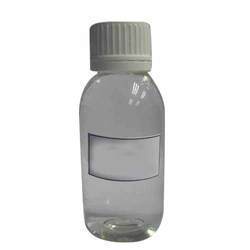
Tell us about your requirement

Price:
Quantity
Select Unit
- 50
- 100
- 200
- 250
- 500
- 1000+
Additional detail
Mobile number
Email

More Products in Petrochemicals Category
Acetone
Ingredients : Acetone (Propanone)
Purity : 99.5% min
Molecular Formula : C3H6O
Appearance : Clear, colorless liquid
Structural Formula : CH3COCH3
Grade : Industrial/Technical Grade
Polyol
Ingredients : Glycerol or other polyhydric alcohols depending on the specific type
Purity : Typically 98%
Molecular Formula : C3H8O3
Appearance : Clear colorless to pale yellow liquid or white solid
Structural Formula : C3H8O3 (Propane123triol)
Grade : Industrial Pharmaceutical or Food Grade
Methyl Alcohol
Ingredients : 100% Methyl Alcohol
Purity : 99.9%
Molecular Formula : CH3OH
Appearance : Clear colorless liquid
Structural Formula : CH3OH
Grade : Industrial grade Pharmaceutical grade
Vinyl Acetate Monomer
Ingredients : Pure Vinyl Acetate Monomer
Purity : 99% or greater
Molecular Formula : C4H6O2
Appearance : Colorless liquid
Structural Formula : CH3COOCH=CH2
Grade : Industrial Grade

 Send Inquiry
Our Products

7/1, Lords Building, Room No. 506, Lord Sinha Road, Kolkata - 700071, West Bengal, India

Mr Raghav Goenka
(Director )
Mobile :07971549307
 Send Inquiry
 Send SMS
Developed and Managed by Infocom Network Private Limited.
