Call us now :07971549307
 Send Inquiry
 Send Inquiry
2 Propylheptanol 2PH
2 Propylheptanol 2PH Specification
- Structural Formula
- CH3(CH2)3CH(C3H7)CH2OH
- Shelf Life
- 24 months
- Purity
- >=99%
- Solubility
- Insoluble in water; soluble in most organic solvents
- Poisonous
- NO
- Storage
- Store in a tightly closed, cool, dry, well-ventilated place. Protect from heat, sparks, and open flame.
- CAS No
- 10042-59-8
- Physical Form
- Liquid
- Product Type
- Organic Intermediate / Alcohol
- Application
- Plasticizers, surfactants, lubricants, and as an intermediate in chemical synthesis
- Usage
- Used as a raw material in plasticizer production, surfactants, and in lubricating oil formulations
- Melting Point
- -60C
- EINECS No
- 233-627-5
- Refractive Rate
- n20/D 1.4321.436
- Properties
- Colorless, clear liquid with a mild odor; high boiling point; chemically stable; miscible with most organic solvents.
- Shape
- Liquid form not applicable
- Grade
- Industrial Grade
- Molecular Weight
- 158.29 g/mol
- Appearance
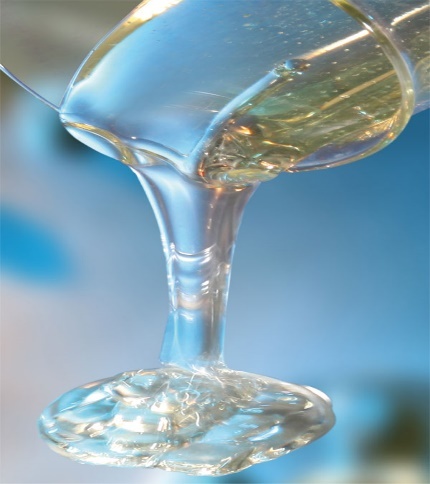
- Clear colorless liquid
- Density
- 0.829 Gram per cubic centimeter(g/cm3)
- HS Code
- 29051690
- Ingredients
- 2-Propylheptanol (2PH)
- Smell
- Mild alcoholic odor
- Molecular Formula
- C10H22O
- Viscosity
- 13 mPa.s (20°C)
- Vapor Pressure
- 0.32 hPa (20°C)
- Auto Ignition Temperature
- 320°C
- Stability
- Stable under recommended storage conditions
- Transport Classification
- Non-hazardous for transportation
- Flash Point
- 122°C
- Environmental Impact
- Not classified as environmentally hazardous
- Packing
- Drums or IBCs, 170kg net per drum
- Freezing Point
- -60°C
- Boiling Point
- 220°C at 1013 hPa
About 2 Propylheptanol 2PH
2-Propylheptanol is "oxoalcohol", meaning that it is produced from the hydroformylation ("oxo synthesis") of C4 alkenes followed by hydrogenation of the resulting aldehyde. The production route is similar to that for 2-Ethylhexanol.
Versatile Industrial Applications
2-Propylheptanol (2PH) serves as a crucial intermediate in manufacturing plasticizers, surfactants, and lubricating oil formulations. Its miscibility with most organic solvents and chemical stability make it highly adaptable for different sectors. Industries such as polymers, detergents, and specialty chemicals benefit from its reliable performance and ease of integration into existing processes.
Safe Handling and Storage Guidelines
Due to its non-hazardous classification for transportation and absence of poisonous properties, 2PH is considered safe to handle, provided standard industrial guidelines are followed. Store the liquid in tightly closed drums or IBCs in a cool, dry, and well-ventilated area, away from heat, sparks, or open flames. This ensures both product stability and user safety over its 24-month shelf life.
FAQs of 2 Propylheptanol 2PH:
Q: How should 2-Propylheptanol (2PH) be stored to maintain its quality?
A: 2PH should be stored in tightly closed drums or IBCs, kept in a cool, dry, and well-ventilated area. Avoid exposure to heat, sparks, and open flames to maintain stability and prolong shelf life for up to 24 months.Q: What are the primary industrial uses of 2-Propylheptanol?
A: 2PH is mainly used as a key raw material in the production of plasticizers, surfactants, and lubricating oil formulations. It also serves as an intermediate in various chemical synthesis processes.Q: When is 2PH considered beneficial in manufacturing processes?
A: 2PH is especially beneficial when a high-purity, stable, and chemically inert alcohol with a high boiling point is required, such as in the production of flexible plastics, detergents, and specialty lubricants.Q: Where is 2-Propylheptanol typically applied or utilized?
A: 2PH finds use in industries ranging from polymer and plastic manufacturing to chemical synthesis, surfactant production, and industrial lubrication, primarily as an intermediate or additive.Q: What is the process for handling and transporting 2PH safely?
A: 2PH is classified as non-hazardous for transportation. Standard procedures involve using sealed drums or IBCs (170kg net per drum). Handlers should wear appropriate protective equipment and prevent contact with open flames or high heat.Q: Does the use of 2-Propylheptanol pose environmental or health hazards?
A: 2PH is not classified as environmentally hazardous, nor is it considered poisonous. Proper handling according to industrial safety standards mitigates potential risks, and the product is safe to use in accordance with recommended guidelines.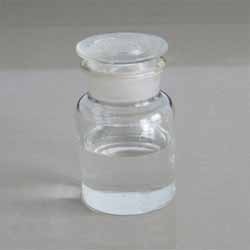
Tell us about your requirement

Price:
Quantity
Select Unit
- 50
- 100
- 200
- 250
- 500
- 1000+
Additional detail
Mobile number
Email

More Products in Petrochemicals Category
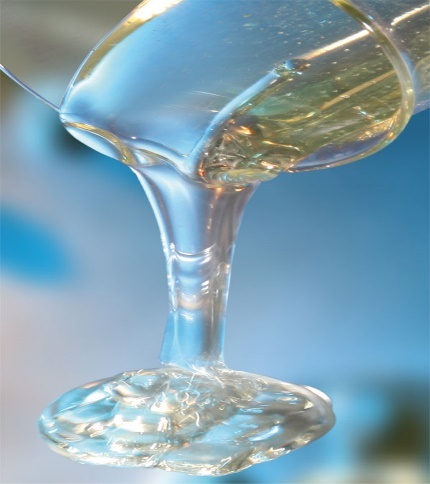
Polyol
HS Code : 29054500
Density : 1.26 Gram per cubic centimeter(g/cm3)
Smell : Other, Odorless
Ph Level : Neutral (67)
Molecular Formula : C3H8O3
Ingredients : Glycerol or other polyhydric alcohols depending on the specific type
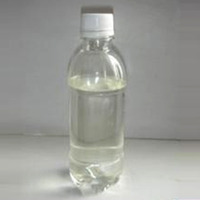
Aniline Oil
HS Code : 29214100
Density : 1.0217 Gram per cubic centimeter(g/cm3)
Smell : Other, Aromatic fishy
Ph Level : Not applicable (neutral compound)
Molecular Formula : C6H5NH2
Ingredients : Aniline (pure chemical compound)
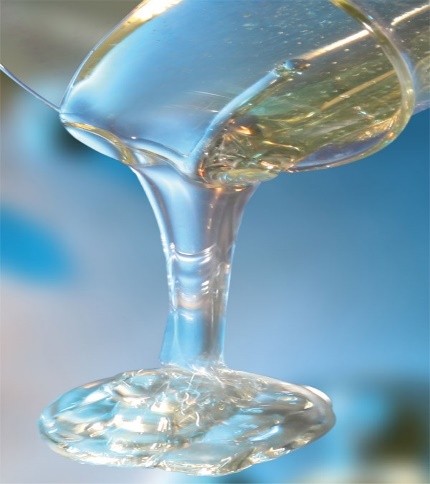
Polyether Polyol
HS Code : 39072090
Density : 1.05 Gram per cubic centimeter(g/cm3)
Smell : Other, Mild or faint odor
Ph Level : Neutral to slightly alkaline (6.0 8.5)
Molecular Formula : CnH2n+2O
Ingredients : Ethylene oxide propylene oxide glycerol or polyhydric alcohol base
Polyester Polyol
HS Code : 3907.99 (example for polyester polyols)
Density : 1.2 Gram per cubic centimeter(g/cm3)
Smell : Other, Mild chemical odor
Ph Level : Neutral (around 7)
Molecular Formula : C3H8O3
Ingredients : Polyols adipic acid isophthalic acid and other monomers

 Send Inquiry
Our Products

7/1, Lords Building, Room No. 506, Lord Sinha Road, Kolkata - 700071, West Bengal, India

Mr Raghav Goenka
(Director )
Mobile :07971549307
 Send Inquiry
 Send SMS
Developed and Managed by Infocom Network Private Limited.
