Call us now :07971549307
 Send Inquiry
 Send Inquiry
Polyether Polyol
Polyether Polyol Specification
- Usage
- Used as a key raw material for manufacturing flexible rigid and high-resilience foams as well as other polymer-related products
- EINECS No
- 500-033-5
- Ingredients
- Ethylene oxide propylene oxide glycerol or polyhydric alcohol base
- Molecular Weight
- Variable; depends on the product grade
- Structural Formula
- HO-(CH2CH2O)n-CH2-CH(OH)-CH2OH (varies depending on molecular weight)
- Ph Level
- Neutral to slightly alkaline (6.0 - 8.5)
- Physical Form
- Clear to slightly yellowish viscous liquid
- Melting Point
- Not applicable (liquid form at room temperature)
- Shelf Life
- 12 - 24 months under proper storage conditions
- HS Code
- 39072090
- Taste
- Neutral
- Grade
- Industrial and chemical grade
- Properties
- Hydrophilic low vapor pressure high viscosity excellent compatibility with polyisocyanates
- Refractive Rate
- 1.465 - 1.475 (at 20C)
- Purity
- Typically over 99%
- Smell
- Mild or faint odor
- CAS No
- 9003-11-6 (varies depending on formulation)
- Shape
- Viscous liquid form
- Application
- Density
- 1.05 Gram per cubic centimeter(g/cm3)
- Solubility
- Soluble in water and organic solvents
- Molecular Formula
- CnH2n+2O
- Poisonous
- NO
- Appearance
- Transparent to slightly yellow liquid
- Storage
- Store in tightly closed containers away from direct sunlight and moisture at temperatures between 15C - 35C
About Polyether Polyol
A polyol is an alcohol containing multiple hydroxyl groups.A polyol is an alcohol containing multiple hydroxyl groups.In polymer chemistry, polyols are compounds with multiple hydroxyl functional groups available for organic reactions.
Superior Versatility in Polymer Manufacturing
Polyether Polyol is highly valued for its adaptability in the chemical industry. Its hydrophilic nature, compatibility with polyisocyanates, and high viscosity make it a preferred choice for creating a diverse range of polyurethane products, including foams and elastomers. Its clear, slightly yellowish viscous form ensures optimal blending in various formulations.
Quality and Safety Assured
With a neutral pH (6.0-8.5), low vapor pressure, and non-toxic profile, Polyether Polyol provides a safe raw material option for industrial use. Its puritytypically exceeding 99%enhances consistency and product performance. Strict storage recommendations help maintain this quality, ensuring reliable results every time.
Optimal Storage and Extended Shelf Life
Polyether Polyol should be stored in tightly sealed containers, away from direct sunlight and moisture, at 15C35C. Under ideal storage conditions, it maintains its properties for 12 to 24 months. These guidelines help industries minimize waste and guarantee the longevity of their raw material inventory.
FAQs of Polyether Polyol:
Q: How is Polyether Polyol commonly used in industrial applications?
A: Polyether Polyol is predominantly used as a foundational ingredient in the production of flexible and rigid polyurethane foams, sealants, coatings, adhesives, and elastomers. Its compatibility and hydrophilic nature make it essential in the creation of high-quality polymer products.Q: What benefits does Polyether Polyol offer in foam and polymer manufacturing?
A: Its high purity and excellent compatibility with polyisocyanates result in superior performance and consistency in final products. Its hydrophilic nature and low vapor pressure improve formulation stability and enhance the quality of foams, elastomers, and adhesives.Q: When is it necessary to use Polyether Polyol in the production process?
A: Polyether Polyol is essential whenever manufacturing requires flexible or rigid foams, high-resilience materials, or durable adhesives and coatings. Its use ensures the desired physical and mechanical properties in a variety of polyurethane-based applications.Q: Where should Polyether Polyol be stored for maximum shelf life?
A: Store Polyether Polyol in tightly sealed containers, away from direct sunlight and moisture, at controlled temperatures between 15C and 35C. These conditions help maintain its purity and extend its usability for up to 24 months.Q: What is the typical process for applying Polyether Polyol in foam production?
A: Polyether Polyol is mixed with polyisocyanates and other additives under controlled conditions to initiate a chemical reaction that forms polyurethane foam. This process is used to produce both flexible and rigid foams for various industry needs.Q: How does Polyether Polyol contribute to product safety and quality?
A: Being non-poisonous, having a neutral to slightly alkaline pH, and a high level of purity, Polyether Polyol ensures safer handling and dependable performance. These properties also contribute to the consistency and quality of end-products manufactured from it.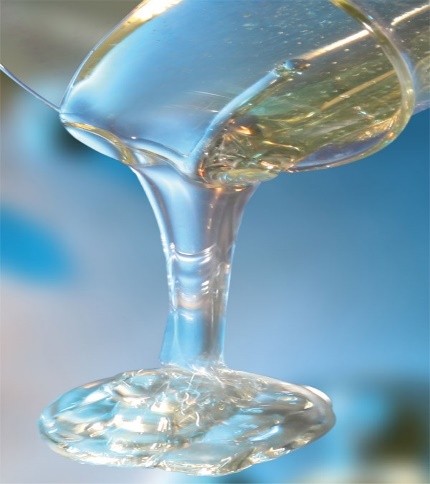
Tell us about your requirement

Price:
Quantity
Select Unit
- 50
- 100
- 200
- 250
- 500
- 1000+
Additional detail
Mobile number
Email

More Products in Petrochemicals Category
Acetone
Molecular Weight : 58.08 g/mol
EINECS No : 2006622
Ingredients : Acetone (Propanone)
Usage : Laboratory reagent, industrial solvent, cleaning agent, nail polish remover
Physical Form : Liquid
Structural Formula : CH3COCH3
Aniline Oil
Molecular Weight : 93.13 g/mol
EINECS No : 2005393
Ingredients : Aniline (pure chemical compound)
Usage : Primarily used as an intermediate in organic synthesis and industrial applications
Physical Form : Liquid
Structural Formula : C6H5NH2
2 Propylheptanol 2PH
Molecular Weight : 158.29 g/mol
EINECS No : 2336275
Ingredients : 2Propylheptanol (2PH)
Usage : Used as a raw material in plasticizer production, surfactants, and in lubricating oil formulations
Physical Form : Liquid
Structural Formula : CH3(CH2)3CH(C3H7)CH2OH
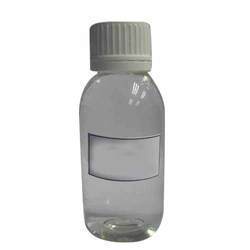
Morpholine
Molecular Weight : 87.12 g/mol
EINECS No : 2038151
Ingredients : Morpholine (pure compound)
Usage : Commonly utilized in industries such as rubber manufacturing agriculture chemicals and personal care products
Physical Form : Other, Liquid at room temperature
Structural Formula : NH(CH2CH2)2O

 Send Inquiry
Our Products

7/1, Lords Building, Room No. 506, Lord Sinha Road, Kolkata - 700071, West Bengal, India

Mr Raghav Goenka
(Director )
Mobile :07971549307
 Send Inquiry
 Send SMS
Developed and Managed by Infocom Network Private Limited.
