Call us now :07971549307
 Send Inquiry
 Send Inquiry
Acetone
Acetone Specification
- Ingredients
- Acetone (Propanone)
- Melting Point
- -95.6C
- Appearance
- Clear, colorless liquid
- Smell
- Pungent, fruity odor
- Molecular Weight
- 58.08 g/mol
- Solubility
- Miscible with water, alcohol, ether, chloroform, benzene
- Grade
- Industrial/Technical Grade
- Molecular Formula
- C3H6O
- CAS No
- 67-64-1
- Refractive Rate
- 1.3588 at 20C
- EINECS No
- 200-662-2
- Shape
- Liquid
- HS Code
- 29141100
- Poisonous
- No, but harmful if inhaled or ingested in large amounts
- Ph Level
- Neutral (7, in dilute solution)
- Properties
- Colorless, volatile, flammable liquid with characteristic odor
- Physical Form
- Liquid
- Storage
- Store in cool, dry, well-ventilated area, away from sources of ignition
- Density
- 0.791 Gram per cubic centimeter(g/cm3)
- Usage
- Laboratory reagent, industrial solvent, cleaning agent, nail polish remover
- Structural Formula
- CH3COCH3
- Shelf Life
- 2 Years
- Taste
- Sweetish taste
- Application
- Used as solvent in paints, coatings, adhesives, cleaning agents, pharmaceuticals
- Product Type
- Organic Compound
- Purity
- 99.5% min
- Evaporation Rate
- 5.6 (butyl acetate=1)
- Viscosity
- 0.32 mPa·s at 20°C
- Explosion Limits
- 2.5% - 12.8% (vol in air)
- Surface Tension
- 23.3 mN/m at 20°C
- Packing Details
- Available in 160 kg drum, IBC, bulk
- UN Number
- 1090
- Flash Point
- -20°C (closed cup)
- Vapor Pressure
- 30 kPa at 20°C
- Hazard Class
- 3 (Flammable liquid)
- Ecological Information
- Readily biodegradable, avoid release to environment
- Transport Information
- UN 1090, Acetone, Class 3, PG II
- pKa
- 19.16
- Boiling Point
- 56.05°C
- Autoignition Temperature
- 465°C
- Odor Threshold
- >13 ppm
- Stability
- Stable under recommended storage conditions
About Acetone
Acetone (systematically named propanone) is the organic compound with the formula (CH3)2CO. It is a colorless, volatile, flammable liquid, and is the simplest and smallest ketone.Versatile Solvent for Multiple Industries
Acetone is renowned for its capacity to dissolve a variety of substances, making it indispensable in manufacturing paints, coatings, adhesives, cleaning agents, and laboratory environments. Its miscibility with water, alcohol, ether, chloroform, and benzene broadens its scope of applications, supporting diverse sectors, including pharmaceuticals and cosmetics.
Safe Handling and Storage Recommendations
Given acetones low flash point (-20C) and classification as a flammable liquid (Class 3), it must be stored in well-ventilated, cool, and dry conditions, away from any ignition sources. Use only approved, sealed containers, such as 160 kg drums or IBCs, to maintain stability and safety over its two-year shelf life.
Environmental Respect and Sustainability
Acetone is readily biodegradable, which reduces its long-term environmental impact. However, it is crucial to avoid releasing acetone into the environment to prevent negative effects. Complying with best practices for handling and disposal ensures sustainability and safety, protecting both human health and ecosystems.
FAQs of Acetone:
Q: How should acetone be stored to ensure safety and maintain quality?
A: Acetone should be kept in a cool, dry, well-ventilated area, stored in tightly sealed containers (such as 160 kg drums or IBCs) away from heat sources, sparks, and open flames. Proper storage helps maintain product stability, prevents vapor accumulation, and prolongs shelf life.Q: What are the primary industrial uses of acetone?
A: Acetone is chiefly used as a solvent in the manufacture of paints, coatings, adhesives, cleaning agents, and pharmaceuticals. It also serves as a laboratory reagent, industrial solvent for resins and plastics, and a key ingredient in nail polish removers and other cosmetics.Q: When should acetone handling precautions be prioritized?
A: Handling precautions are especially important during storage, transfer, and useparticularly because acetone has a low flash point (-20C) and an explosive vapor-air mixture range. Always use it in well-ventilated spaces, wear protective gear, and avoid inhaling vapors or exposing it to ignition sources.Q: Where is acetone commonly available for industrial purchase in India?
A: Acetone is widely distributed by manufacturers, exporters, importers, and suppliers throughout India. It is available for industrial use, typically supplied in bulk or 160 kg drums, ensuring compliance with UN 1090 and relevant safety standards.Q: What is the process for using acetone as a cleaning agent?
A: To use acetone for cleaning, apply the liquid onto a lint-free cloth or use it as a wash solvent, ensuring proper ventilation and protective equipment due to its rapid evaporation and flammable vapors. Follow facility guidelines for safe handling and waste disposal after cleaning.Q: What benefits does acetone offer in industrial and laboratory settings?
A: Acetone offers fast evaporation, high solvency strength, and compatibility with numerous substances, making it an excellent choice for cleaning, degreasing equipment, and preparing surfaces. It minimizes residue and is effective in dissolving oils, greases, and polymers, enhancing process efficiency.Q: How should acetone be disposed of to minimize environmental impact?
A: Dispose of acetone through approved hazardous waste programs, ensuring it does not enter water courses or sewage systems. Since acetone is readily biodegradable, responsible disposal practices further help minimize ecological risks and comply with environmental regulations.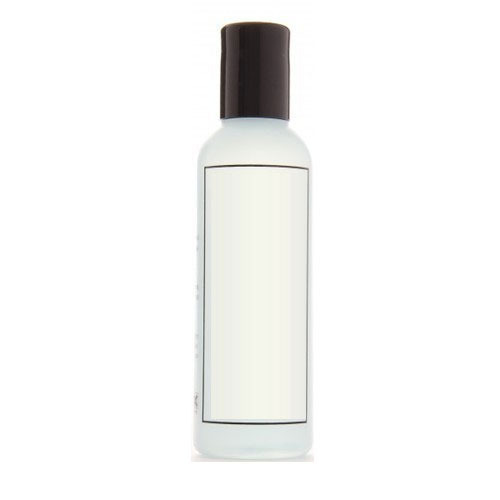
Tell us about your requirement

Price:
Quantity
Select Unit
- 50
- 100
- 200
- 250
- 500
- 1000+
Additional detail
Mobile number
Email

More Products in Petrochemicals Category
Aniline Oil
Purity : 99.5% or higher
Application : Used in the manufacture of dyes rubberprocessing chemicals herbicides and in the production of pharmaceuticals, Other
Shelf Life : Stable under recommended storage conditions
Taste : Other, Slightly sweet aromatic
Structural Formula : C6H5NH2
Usage : Primarily used as an intermediate in organic synthesis and industrial applications
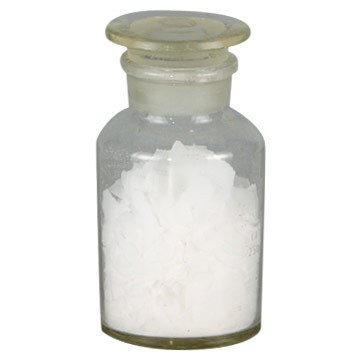
Phthalic Anhydride
Purity : 99% minimum
Application : Other , Used in the manufacture of plasticizers alkyd resins unsaturated polyester resins and dyes
Shelf Life : Typically stable for a prolonged period under proper storage conditions
Taste : Other, Odorless or slightly acrid
Structural Formula : C6H4(CO)2O
Usage : Primarily for making phthalate plasticizers pigments and resins
Morpholine
Purity : Typically 99% or more
Application : Used as a chemical intermediate in the production of rubber accelerators corrosion inhibitors optical brighteners and pharmaceuticals, Other
Shelf Life : Approximately 2 years if stored under proper conditions
Taste : Other, Slight ammoniacal taste
Structural Formula : NH(CH2CH2)2O
Usage : Commonly utilized in industries such as rubber manufacturing agriculture chemicals and personal care products
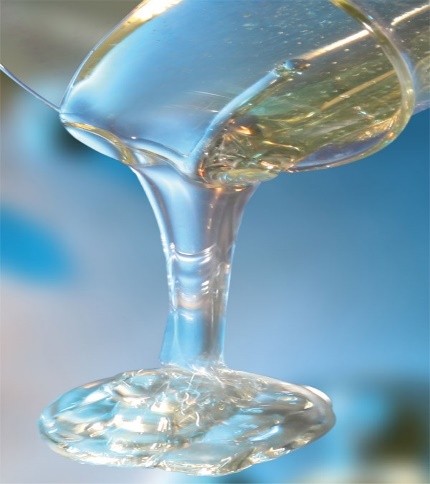
Polyether Polyol
Purity : Typically over 99%
Application : Other , Commonly used in the production of polyurethane foams sealants elastomers coatings adhesives and other polymer products
Shelf Life : 12 24 months under proper storage conditions
Taste : Other, Neutral
Structural Formula : HO(CH2CH2O)nCH2CH(OH)CH2OH (varies depending on molecular weight)
Usage : Used as a key raw material for manufacturing flexible rigid and highresilience foams as well as other polymerrelated products

 Send Inquiry
Our Products

7/1, Lords Building, Room No. 506, Lord Sinha Road, Kolkata - 700071, West Bengal, India

Mr Raghav Goenka
(Director )
Mobile :07971549307
 Send Inquiry
 Send SMS
Developed and Managed by Infocom Network Private Limited.
