Call us now :07971549307
 Send Inquiry
 Send Inquiry
Malic Acid
Malic Acid Specification
- Structural Formula
- HOOC-CH2-CHOH-COOH
- Smell
- Odorless
- Molecular Formula
- C4H6O5
- HS Code
- 29181980
- Boiling point
- Not applicable (decomposes before boiling)
- Taste
- Strongly acidic, fruity
- Molecular Weight
- 134.09 g/mol
- Classification
- Acid
- Organic Acid Types
- Carboxylic Acid
- Grade
- Food Grade, Pharmaceutical Grade
- Purity
- 99%
- Application
- Food additive, Beverage, Pharmaceuticals, Cosmetics, Personal Care, Detergents
- Appearance
- White crystalline powder
- CAS No
- 6915-15-7
- EINECS No
- 206-617-8
- Other Names
- Hydroxybutanedioic acid
- Usage
- Acidulant, flavor enhancers, preservative
- Melting Point
- 127132C
- Density
- 1.601 Gram per cubic centimeter(g/cm3)
- Solubility
- Soluble in water
- Raw Material
- Maleic anhydride
- Shelf Life
- 2 Years
- Ferrum (Iron) Content
- 10 ppm
- Lead Content
- 2 ppm
- Storage Conditions
- Keep in a cool, dry, and well-ventilated place
- Arsenic Content
- 2 ppm
- Packaging Size
- 25 kg bags/drums
- Moisture Content
- 0.5%
About Malic Acid
Malic acid is an organic compound with the formula HO2CCH2CHOHCO2H. It is a dicarboxylic acid that is made by all living organisms , contributes to the pleasantly sour taste of fruits, and is used as a food additive. Malic acid has twostereoisomeric forms (L- and D-enantiomers), though only the L-isomer exists naturally. The salts and esters of malic acid are known as malates.The malate anion is an intermediate in the citric acid cycle.Malic acid, when added to food products, is denoted by E number E296. called extreme candy.The taste of malic acid is very clear and pure in rhubarb, a plant for which it is the primary flavor.The process of malolactic fermentation converts malic acid to much milder lactic acid. Malic acid occurs naturally in all fruits and many vegetables, and is generated in fruit metabolism.
High-Purity Organic Acid for Multiple Applications
Offering 99% purity, Malic Acid acts as a reliable acidulant and flavor enhancer for industries such as food, beverage, and pharmaceuticals. Its strong acidic taste and excellent solubility suit a variety of formulations, while meeting stringent safety and quality limits on contaminants.
Safe Storage and Longevity
To maximize shelf life, Malic Acid should be kept in a cool, dry, and well-ventilated location. Proper storage preserves its efficacy for up to two years, ensuring its quality, safety, and performance in end-use applications.
Versatility in Uses and Formats
This product is distributed as a white, odorless crystalline powder in 25 kg packaging. Its strong acidity and mild fruity flavor make it especially suitable for enhancing flavors, preserving freshness, and improving product texture across food, beverage, pharmaceuticals, and more.
FAQs of Malic Acid:
Q: How should Malic Acid be stored to ensure maximum shelf life?
A: Malic Acid should be stored in a cool, dry, and well-ventilated area, away from humidity and direct sunlight. Proper storage guarantees a shelf life of up to two years and helps maintain its high purity and efficacy.Q: What are the common applications for Malic Acid?
A: Malic Acid is used as a food additive, flavor enhancer, preservative, and acidulant. It is suitable for use in beverages, pharmaceuticals, cosmetics, personal care products, and detergents due to its strong acidic taste and high purity.Q: When is Malic Acid typically used in manufacturing processes?
A: Malic Acid is frequently added during the formulation or blending stages in product manufacturing, particularly in food and drink industries, pharmaceuticals, and cosmetics to adjust acidity, enhance flavor, or act as a preservative.Q: Where can Malic Acid be sourced in India?
A: Malic Acid is available from leading distributors, manufacturers, exporters, importers, suppliers, and traders across India, typically packaged in 25 kg bags or drums for commercial and industrial use.Q: What is the process for producing Malic Acid of this purity?
A: This Malic Acid is produced using maleic anhydride as the primary raw material, followed by purification steps to achieve food and pharmaceutical grade quality, ensuring low heavy metal content and high solubility.Q: How is Malic Acid beneficial in food and beverage formulations?
A: Malic Acid provides a sharp, mildly fruity taste that enhances flavor profiles, preserves freshness, and contributes to the desired acidity balance in manufactured foods and drinks.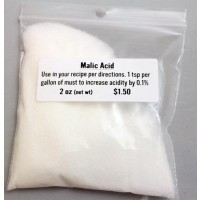
Tell us about your requirement

Price:
Quantity
Select Unit
- 50
- 100
- 200
- 250
- 500
- 1000+
Additional detail
Mobile number
Email

More Products in Acids Category
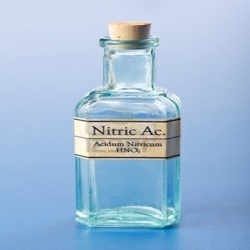
Nitric Acid
Boiling point : 120.5C
Grade : Reagent Grade
Taste : null
EINECS No : 2317142
Molecular Weight : 63.01 g/mol
Melting Point : 42C
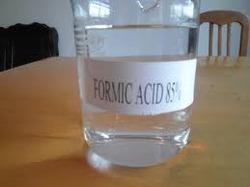
Formic Acid
Boiling point : 100.8C
Grade : Other, Industrial Foodgrade
Taste : Astringent (not for direct consumption)
EINECS No : 2005791
Molecular Weight : 46.03 g/mol
Melting Point : 8.3C
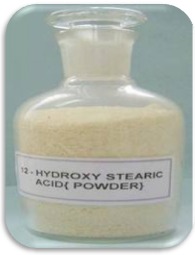
Hydroxy Stearic Acid
Boiling point : Not available
Grade : Other, Not available
Taste : Not available
EINECS No : Not available
Molecular Weight : Not available
Melting Point : Not available
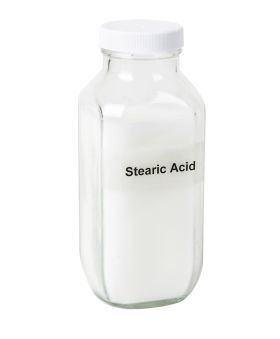
Stearic Acid
Boiling point : 383C (726F)
Grade : Other, Industrial Pharmaceutical
Taste : Neutral
EINECS No : 2003134
Molecular Weight : 284.48 g/mol Grams (g)
Melting Point : 69.6C (157F)

 Send Inquiry
Our Products

7/1, Lords Building, Room No. 506, Lord Sinha Road, Kolkata - 700071, West Bengal, India

Mr Raghav Goenka
(Director )
Mobile :07971549307
 Send Inquiry
 Send SMS
Developed and Managed by Infocom Network Private Limited.
