Call us now :07971549307
 Send Inquiry
 Send Inquiry
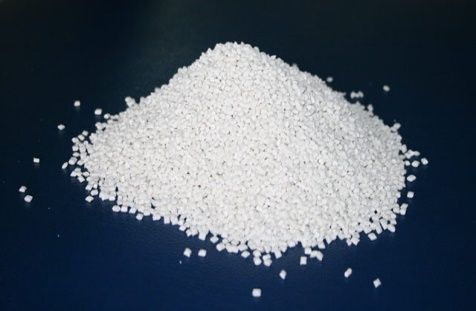
Calcium Filler Masterbatch
MOQ : 1 Kilograms
Calcium Filler Masterbatch Specification
- Application
- Paints
- Usage
- Glass Industry / Plastic Industry
- Storage
- Room Temperature
About Calcium Filler Masterbatch
Calcium carbonate is a chemical compound with the formula CaCO3. It is a common substance found in rocks in all parts of the world, and is the main component of shells of marine organisms, snails, and eggs. Calcium carbonate is the active ingredient in agricultural lime and is created when calcium ions in hard water react with carbonate ions to create limescale. It is a popular dietary supplement, and it is also an ingredient of many commercial products, including antacids, and some fertilizers.
Calcium carbonate has a wide range of uses in industry. It is used as a filler in paper, plastics, paint, rubber, sealants, and adhesives. It is also used in the production of cement and concrete, and can be used as an abrasive and a whitening agent. In the food industry, calcium carbonate is used to increase the calcium content of food, and it is also used as an anti-caking agent, an acidity regulator, and a bulking agent.
In the medical field, calcium carbonate is used as a calcium supplement, to treat calcium deficiencies, and to increase bone mineral density. It is also used to reduce the symptoms of acid indigestion. In agriculture, it is used as a soil conditioner and to increase the pH level of acidic soils.
Calcium carbonate is also used in many other applications, including as a component of some pharmaceuticals, as a component of chalk, and as a material in construction. Calcium carbonate is also used in the production of some metals, and as a reagent in some chemical processes.
Calcium carbonate is used to make cement and mortar and also in the glass industry. Calcium carbonate is also added to toothpaste and mineral supplements.
Calcium Carbonate FAQs
Q: What is calcium carbonate used for?
A: Calcium carbonate is used to make cement and mortar, in the glass industry, and is also added to toothpaste and mineral supplements.
Q: Is calcium carbonate safe to consume?
A: Yes, calcium carbonate is generally safe to consume when taken as directed. However, it's always best to speak with your doctor before taking any supplement to ensure it's right for you.
Q: Does calcium carbonate have any side effects?
A: Calcium carbonate is generally well-tolerated, but some people may experience side effects such as constipation, gas, and abdominal discomfort. If you experience any side effects, it's best to speak with your doctor.
Q: How much calcium carbonate should I take?
A: The amount of calcium carbonate you should take depends on your individual needs and should be determined by your doctor. Generally, the recommended dosage for adults is 1,000-1,500 mg per day.
Tell us about your requirement

Price:
Quantity
Select Unit
- 50
- 100
- 200
- 250
- 500
- 1000+
Additional detail
Mobile number
Email

More Products in acids Category
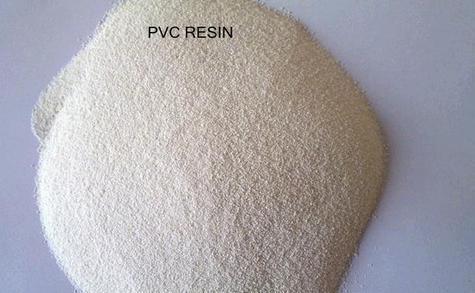
PVC Resin
Physical Form : Other
Appearance : White or colorless granules or powder; can be compounded into various colors
Purity : Typically >99%
Smell : Other, Odorless
Ingredients : Polyvinyl chloride resin and plasticizers (if applicable)
HS Code : 3904.10.00
Polypropylene
Physical Form : Other, Solid (granules pellets or fibers)
Appearance : Translucent to opaque solid
Purity : High purity typically above 99%
Smell : Other, Odorless
Ingredients : Polymerized propylene monomers
HS Code : 390210
CPVC Compound
Physical Form : Other, Granules or powder
Appearance : Offwhite powder or granules
Purity : 99.5%
Smell : Other, Odorless
Ingredients : Chlorinated polyvinyl chloride impact modifiers stabilizers
HS Code : 39042190
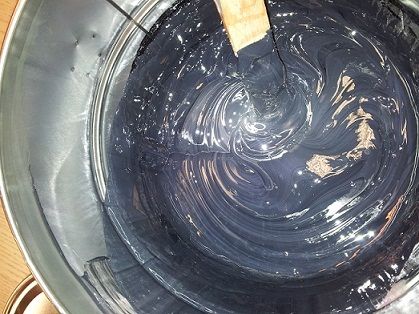
PVC Paste
Physical Form : Other, Fine white powder or paste
Appearance : White fine powder or viscous paste
Purity : Typically >99%
Smell : Other, No significant smell
Ingredients : Polyvinyl chloride resin plasticizers and stabilizers
HS Code : 390410

 Send Inquiry
Our Products

7/1, Lords Building, Room No. 506, Lord Sinha Road, Kolkata - 700071, West Bengal, India

Mr Raghav Goenka
(Director )
Mobile :07971549307
 Send Inquiry
 Send SMS
Developed and Managed by Infocom Network Private Limited.
