Call us now :07971549307
 Send Inquiry
 Send Inquiry
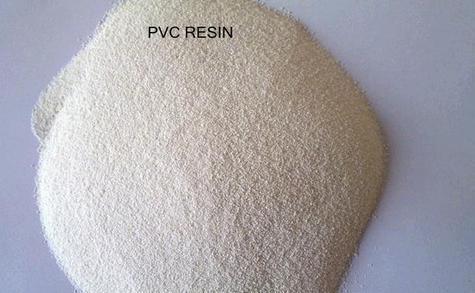
PVC Resin
Price 73.5 INR/ Kilograms
MOQ : 1000 Kilograms
PVC Resin Specification
- Poisonous
- NO
- Application
- Used in pipes cable insulation flooring roofing membranes bottles medical equipment and more
- Molecular Formula
- (C2H3Cl)n
- Melting Point
- Softens at 80-85C; decomposes at higher temperatures
- Storage
- Other
- Smell
- Odorless
- Purity
- Typically >99%
- Shape
- Granules powder or customized shapes for specific applications
- Appearance
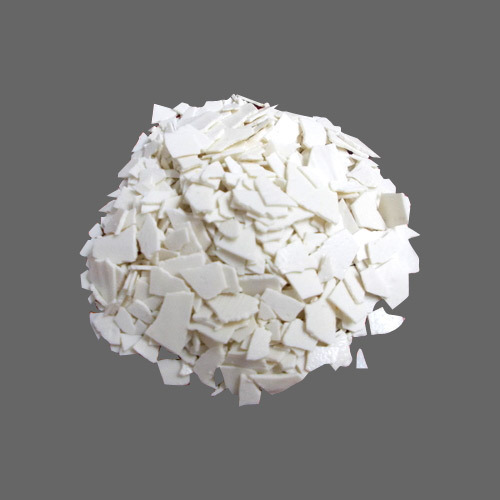
- White or colorless granules or powder; can be compounded into various colors
- Ph Level
- Neutral (does not dissolve in water)
- CAS No
- 9002-86-2
- HS Code
- 3904.10.00
- Grade
- Industrial medical or food grade depending on application
- Ingredients
- Polyvinyl chloride resin and plasticizers (if applicable)
- Structural Formula
- [-CH2-CHCl-]n
- Physical Form
- Other
- Refractive Rate
- 1.54
- Density
- 1.45 Gram per cubic centimeter(g/cm3)
- Solubility
- Insoluble in water; soluble in organic solvents such as ketones esters and some chlorinated hydrocarbons
- Properties
- Durable lightweight strong resistant to chemicals fire retardant and flexible when plasticized
- Taste
- Odorless and tasteless
- Usage
- Construction healthcare electrical packaging and consumer goods industries
- EINECS No
- 200-831-0
About PVC Resin
The rigid form of PVC is used in construction for pipe and in profile applications such as doors and windows.It is also used for bottles, other non-food packaging, and cards (such as bank or membership cards). It can be made softer and more flexible by the addition of plasticizers, the most widely used being phthalates.In this form, it is also used in plumbing, electrical cable insulation, imitation leather, signage, inflatable products, and many applications where it replaces rubber.
Tell us about your requirement

Price:
Quantity
Select Unit
- 50
- 100
- 200
- 250
- 500
- 1000+
Additional detail
Mobile number
Email

More Products in acids Category
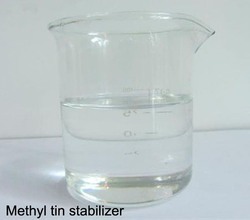
PVC Tin Stabilizer
Usage : Typically added during the PVC compounding process to enhance thermal stability.
Grade : Industrial Grade
Application : Other , Used as a heat stabilizer for PVC products such as pipes profiles sheets and fittings.
Shape : other, Not applicable (liquid or powder form)
Purity : 99% Min
Storage : Keep in a cool dry place away from direct sunlight and moisture., Other
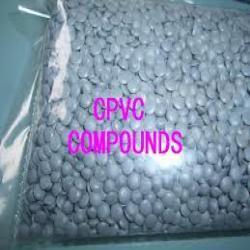
CPVC Compound
Usage : Primarily used in piping systems due to its high heat and corrosion resistance
Grade : Industrial grade
Application : Other , Manufacturing of pipes and fittings industrial processing systems and fire sprinkler systems
Shape : other, Granules or irregular particles
Purity : 99.5%
Storage : Store in a cool dry place away from direct sunlight, Other
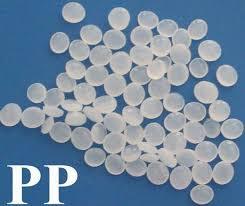
Polypropylene
Usage : Used in the production of fibers films and molded objects
Grade : Industrial grade Food grade Medical grade
Application : Other , Packaging textiles automotive parts medical devices consumer goods construction materials
Shape : other, Available in granules flakes or fibers
Purity : High purity typically above 99%
Storage : Store in a cool dry place away from direct sunlight and heat sources, Other
Lead Stabilizer
Usage : Additive for durability and resistance in PVC materials under high temperatures
Grade : Industrial grade
Application : Other , Primarily used as a heat and UV stabilizer in the production of PVC products such as pipes profiles and cables
Shape : other, Fine powder or irregular granules
Purity : Depends on specific formulation typically 99% for primary compounds
Storage : Other, Store in a cool dry and wellventilated area. Keep containers tightly sealed.

 Send Inquiry
Our Products

7/1, Lords Building, Room No. 506, Lord Sinha Road, Kolkata - 700071, West Bengal, India

Mr Raghav Goenka
(Director )
Mobile :07971549307
 Send Inquiry
 Send SMS
Developed and Managed by Infocom Network Private Limited.
