Call us now :07971549307
 Send Inquiry
 Send Inquiry
Barium Sulfate
Barium Sulfate Specification
- Ingredients
- Barium Sulfate (BaSO4)
- Application
- Used in paints, coatings, plastics, rubber, ceramics, paper, and as weighting agent in drilling fluids
- EINECS No
- 231-784-4
- Poisonous
- Non-poisonous
- Molecular Weight
- 233.39 g/mol
- Melting Point
- 1580C
- Density
- 4.5 Gram per cubic centimeter(g/cm3)
- Grade
- Industrial Grade
- Refractive Rate
- 1.64
- Ph Level
- Neutral (pH ~7)
- Appearance
- White fine powder
- Properties
- High density, chemical inertness, insoluble in water, non-toxic
- Storage
- Store in dry, cool, well-ventilated area; tightly closed container
- Structural Formula
- O=S(=O)(=O)[O-].[Ba+2]
- Shape
- Granular/Powder
- Shelf Life
- 24 months
- Molecular Formula
- BaSO4
- Usage
- Industrially and in laboratory; as contrast agent in medical imaging
- Solubility
- Insoluble in water
- Taste
- Tasteless
- HS Code
- 28332700
- Purity
- 98% Min.
- Smell
- Odorless
- CAS No
- 7727-43-7
- Physical Form
- Powder
- Product Type
- Inorganic Chemical Compound
- ISO Certification
- ISO 9001:2015
- Safety
- Minimize dust generation; use PPE
- Brightness
- 94-96%
- Thermal Stability
- Stable up to 1000°C
- Particle Size
- 1-5 microns (customizable)
- Oil Absorption
- 10-15 g/100g
- Color Index
- Pigment White 21
- Packaging
- 25 kg / 50 kg HDPE bags
About Barium Sulfate
Barium sulfate (or sulphate) is the inorganic compound with the chemical formula BaSO4.It is a white crystalline solid that is odorless and insoluble in water.About 80% of the world's barium sulphate production, mostly purified mineral is consumed as a component of oil well drilling fluid.It increases the density of the fluid. The majority of synthetic barium sulfate is used as a component of white pigment for paints.A thin layer of barium sulfate called baryta is first coated on the base surface of most photographic paper to increase the reflectiveness of the image.In polypropylene and polystyrene plastics, it is used as a filler in proportions up to 70%. It has an effect of increasing acid and alkali resistance and opacity.Barium sulfate in suspension is frequently used clinically as a radio contrast agent for X-ray imaging and other diagnostic procedures.Barium sulfate is also used during the procedure of the soil pH test. Barium sulfate is used as a catalyst support. It is also used in Pyrotechnics formulas. As barium sulfate has high burning point and is insoluble in water, it is used as a coating material in casting of copper anode plates.
Wide-Ranging Industrial Applications
Barium Sulfate is indispensable in various industries, including paints, coatings, plastics, rubber, ceramics, and paper manufacturing. Its high brightness and chemical resistance make it a preferred filling and weighting agent in drilling fluids and a popular additive in laboratory and medical imaging procedures.
Exceptional Chemical and Physical Stability
This product remains stable up to 1000C and is chemically inert, ensuring it does not react with most substances. Its neutral pH, high purity, and insolubility in water provide additional safety and consistency in manufacturing and laboratory environments.
Safe and Convenient Packaging
Packaged in 25 kg and 50 kg HDPE bags, Barium Sulfate is easy to transport, store, and handle. Its long shelf life of 24 months and odorless, tasteless nature further ensure user convenience provided storage guidelines are followedkeep dry, cool, and well-ventilated.
FAQs of Barium Sulfate:
Q: How should Barium Sulfate be safely handled and stored?
A: Minimize dust generation and always use appropriate personal protective equipment (PPE) such as gloves, masks, and protective eyewear when handling Barium Sulfate. Store it in tightly closed containers in a dry, cool, well-ventilated area to maintain product integrity throughout its 24-month shelf life.Q: What are the primary applications of Pigment White 21 (Barium Sulfate)?
A: Barium Sulfate is widely used as a pigment, filler, and weighting agent in paints, coatings, plastics, rubber, ceramics, paper, and drilling fluids. Additionally, it has specialized uses in laboratory settings and serves as a contrast agent in medical imaging due to its opacity and high density.Q: Where is Barium Sulfate typically utilized in industrial processes?
A: This product sees extensive use in industries such as construction, automotive, pharmaceuticals, and oil & gas. Its properties make it a reliable component for improving opacity, brightness, and density in end products across multiple sectors.Q: What benefits does Barium Sulfate offer compared to similar fillers?
A: Barium Sulfate provides high purity, extreme whiteness, excellent UV stability, and is chemically inert and non-toxic. Its low oil absorption and insolubility in water ensure consistent performance without compromising product safety or longevity.Q: How is particle size customization beneficial in Barium Sulfate usage?
A: Customizable particle sizes (1-5 microns) allow manufacturers to tailor dispersion, gloss, and opacity for specific applications, resulting in optimal results in paints, coatings, and polymer compounds.Q: What is the recommended process for disposing of Barium Sulfate?
A: While Barium Sulfate is non-toxic and inert, follow local regulations for disposal. Avoid releasing powder into drains or the environment; collect any spills and dispose of as solid, non-hazardous industrial waste.Q: When does Barium Sulfates thermal stability provide a significant advantage?
A: Its stability up to 1000C is particularly advantageous for manufacturing processes that involve high temperatures, such as the production of ceramics and automobile parts, ensuring that the material maintains its integrity and performance.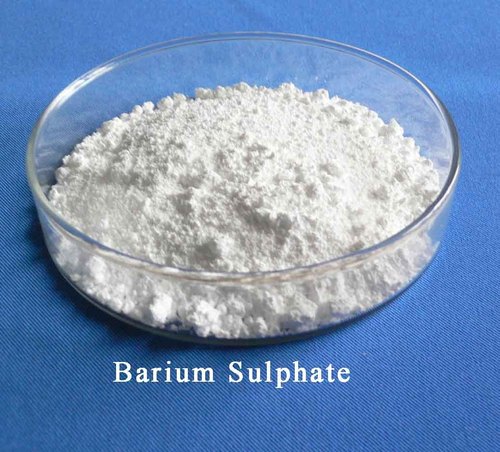
Tell us about your requirement

Price:
Quantity
Select Unit
- 50
- 100
- 200
- 250
- 500
- 1000+
Additional detail
Mobile number
Email

More Products in Inorganic Chemicals Category
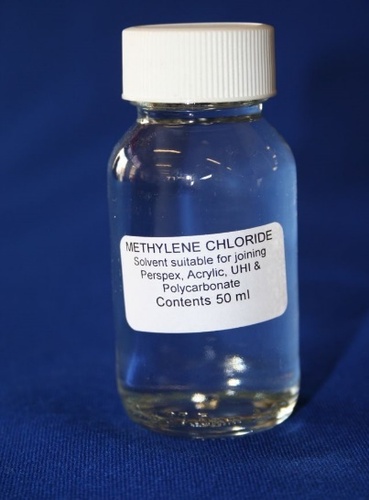
Methylene Chloride
Application : Other , Used as an industrial solvent paint remover metal cleaner and in the production of polycarbonate plastics
Purity : Typically 99%
Physical Form : Other, Colorless liquid
Shape : other, Liquid form
Storage : Other, Store in a cool ventilated area away from heat and open flame; tightly seal the container
Molecular Weight : 84.93 g/mol
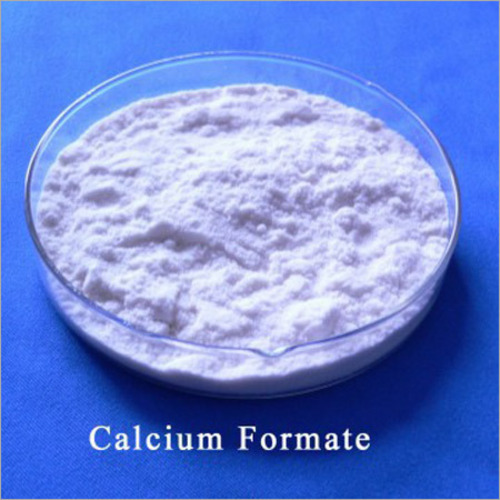
Calcium Formate
Application : Other , Concrete additive, animal feed additive, leather tanning, deicing agent
Purity : >=98%
Physical Form : Powder
Shape : other, Crystalline
Storage : Other, Store in cool, dry place, keep container tightly closed
Molecular Weight : 130.12 g/mol
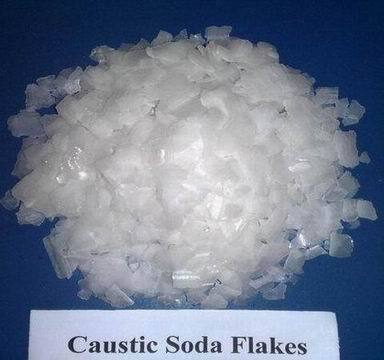
Caustic Soda Flakes
Application : Used in manufacturing of paper detergents textiles soaps water treatment and chemical production, Other
Purity : Typically 99% or higher
Physical Form : Solid flakes, Other
Shape : other, Flakelike structure
Storage : Other, Store in a cool dry and wellventilated area with tightsealed containers to prevent moisture absorption
Molecular Weight : 40.00 g/mol
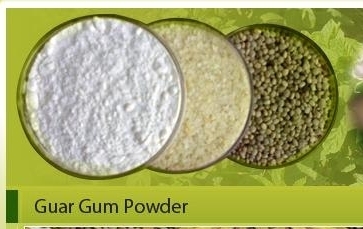
Guaran
Application : Other , Used as a natural energy booster a flavoring agent in beverages and in dietary supplements
Purity : Typically 99% or higher (caffeine content)
Physical Form : Powder
Shape : Amorphous powder, other
Storage : Other, Store in a cool dry place away from direct sunlight
Molecular Weight : 194.19 g/mol

 Send Inquiry
Our Products

7/1, Lords Building, Room No. 506, Lord Sinha Road, Kolkata - 700071, West Bengal, India

Mr Raghav Goenka
(Director )
Mobile :07971549307
 Send Inquiry
 Send SMS
Developed and Managed by Infocom Network Private Limited.
