Call us now :07971549307
 Send Inquiry
 Send Inquiry
Caustic Soda Lye
Caustic Soda Lye Specification
- Shape
- Not applicable for liquid form
- Solubility
- Highly soluble in water
- Molecular Weight
- 40.00 g/mol
- HS Code
- 2815.12
- Purity
- Typically 48-50%
- EINECS No
- 215-185-5
- Ph Level
- 14
- Usage
- Industrial use for saponification cleaning agents and in paper and textile industries
- Molecular Formula
- NaOH
- Application
- Used in chemical manufacturing soap making water treatment and pH regulation
- Storage
- Store in a cool dry and well-ventilated area away from acids and combustible materials
- CAS No
- 1310-73-2
- Ingredients
- Sodium hydroxide (NaOH) in aqueous form
- Smell
- Odorless
- Grade
- Industrial grade
- Shelf Life
- Approximately 1 year if stored properly
- Appearance
- Clear colorless liquid
- Physical Form
- Liquid
- Poisonous
- YES
- Density
- 2.13 Gram per cubic centimeter(g/cm3)
- Melting Point
- 318C
- Properties
- Strong alkaline solution highly reactive corrosive to metals and tissues
- Taste
- Alkaline
- Structural Formula
- Na OH
About Caustic Soda Lye
Caustic Soda Flakes is an inorganic compound.It is white solid and highly caustic metalic base and alkali salt which is available in pellets,flakes and granules.It requires in bottling, beverages,shellac industry etc.
Applications Across Industries
Caustic Soda Lye is essential in a variety of industries. Its primary roles include saponification in soap making, neutralizing acidic waste in water treatment, and facilitating chemical reactions in paper and textile processing. Industrial facilities rely on its strong alkaline properties to clean and regulate pH, ensuring higher process efficiency and product quality in manufacturing.
Safe Handling and Storage
Because of its highly corrosive nature and poison classification, Caustic Soda Lye must be stored with extreme caution. It requires a cool, dry, and well-ventilated area, separate from acids and flammable materials, to maintain safety and prolong shelf life. Proper handling protocolssuch as the use of protective gearare mandatory to prevent injury and chemical accidents.
FAQs of Caustic Soda Lye:
Q: How can Caustic Soda Lye be safely stored to preserve its shelf life and quality?
A: To maximize shelf life and maintain quality, Caustic Soda Lye should be stored in a cool, dry, and well-ventilated area, away from acids and combustible materials. Use corrosion-resistant containers and ensure that the liquid is protected from direct sunlight and extreme temperatures.Q: What industrial processes commonly use Caustic Soda Lye, and for what purposes?
A: Caustic Soda Lye is utilized for saponification in soap making, pH regulation in chemical manufacturing, water treatment for neutralizing acidic content, cleaning agents, and in the production of paper and textiles where alkaline conditions are required for chemical reactions.Q: When should Caustic Soda Lye be replaced or disposed of during industrial use?
A: Caustic Soda Lye should be replaced if it becomes contaminated, loses its clarity, or exceeds its typical shelf life of around one year. Proper disposal according to hazardous chemical guidelines is necessary given its poisonous and corrosive properties.Q: Where is Caustic Soda Lye sourced from in India for industrial supply?
A: In India, Caustic Soda Lye is distributed, exported, imported, and supplied by registered manufacturers, distributors, and traders who ensure the product meets industrial-grade purity standards. Reliable sources can be verified through their HS Code (2815.12) and registration such as EINECS No. 215-185-5.Q: What benefits does the use of Caustic Soda Lye provide in water treatment and textile industries?
A: Caustic Soda Lyes strong alkalinity efficiently neutralizes acidic contaminants in water treatment processes and facilitates fiber processing, dyeing, and bleaching in textiles. Its use results in cleaner water outputs and improved textile quality with enhanced process control.Q: How is Caustic Soda Lye typically applied during the manufacturing process?
A: In industrial settings, Caustic Soda Lye is introduced as a liquid solution, directly involved in chemical reactions requiring a high pH, such as saponification, alkaline cleaning, and pH adjustments in manufacturing pipelines and reactors.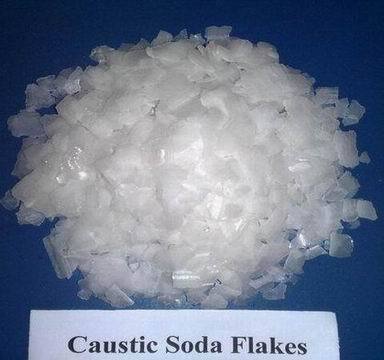
Tell us about your requirement

Price:
Quantity
Select Unit
- 50
- 100
- 200
- 250
- 500
- 1000+
Additional detail
Mobile number
Email

More Products in Inorganic Chemicals Category
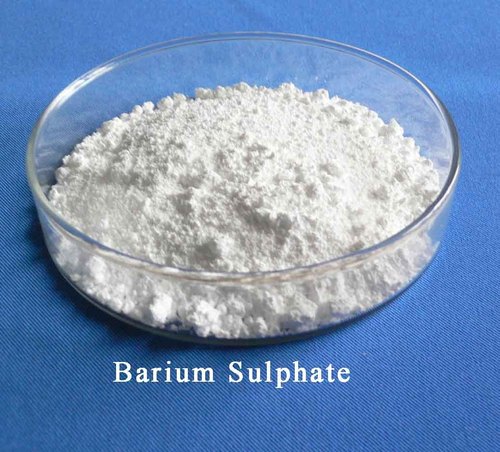
Barium Sulfate
Ingredients : Barium Sulfate (BaSO4)
CAS No : 7727437
Application : Other , Used in paints, coatings, plastics, rubber, ceramics, paper, and as weighting agent in drilling fluids
Storage : Other, Store in dry, cool, wellventilated area; tightly closed container
Smell : Other, Odorless
EINECS No : 2317844
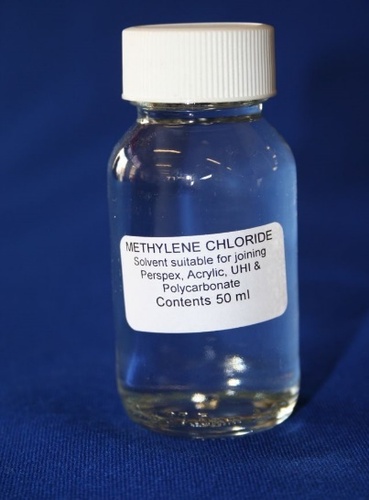
Methylene Chloride
Ingredients : Dichloromethane (CH2Cl2)
CAS No : 75092
Application : Other , Used as an industrial solvent paint remover metal cleaner and in the production of polycarbonate plastics
Storage : Other, Store in a cool ventilated area away from heat and open flame; tightly seal the container
Smell : Other, Chlorinated solventlike odor
EINECS No : 2008389
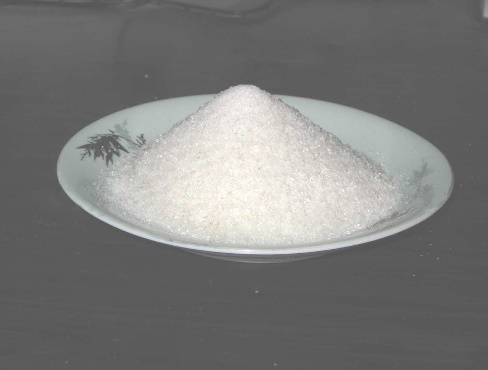
Polyacrylamide
Ingredients : Polyacrylamide polymer composed of repeating acrylamide units
CAS No : 9003058
Application : Other , Used in water treatment paper manufacturing oil recovery textiles cosmetics and as a flocculant
Storage : Store in a cool dry place away from moisture and direct sunlight, Other
Smell : Odorless, Other
EINECS No : 6183503
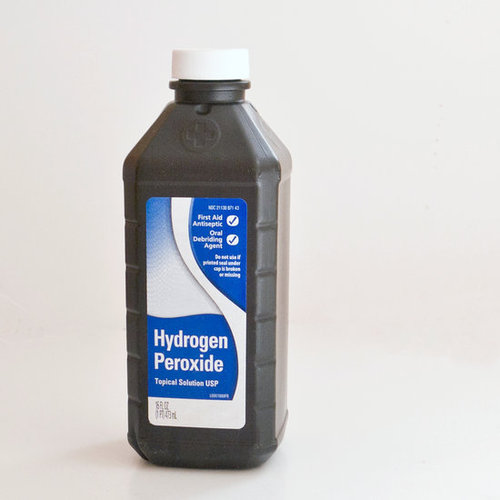
Hydrogen Peroxide
Ingredients : Hydrogen peroxide water (stabilized)
CAS No : 7722841
Application : Other , Used as a bleaching agent oxidizer disinfectant and in medical applications for wound cleaning.
Storage : Store in a cool dry and wellventilated area in tightly sealed containers away from direct sunlight and heat., Other
Smell : Other, Sharp characteristic odor
EINECS No : 2317650

 Send Inquiry
Our Products

7/1, Lords Building, Room No. 506, Lord Sinha Road, Kolkata - 700071, West Bengal, India

Mr Raghav Goenka
(Director )
Mobile :07971549307
 Send Inquiry
 Send SMS
Developed and Managed by Infocom Network Private Limited.
