Call us now :07971549307
 Send Inquiry
 Send Inquiry
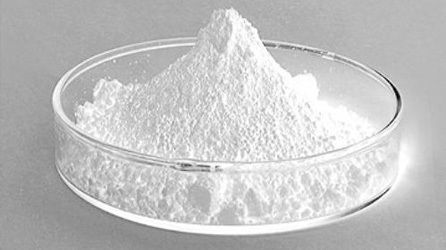
Bleaching Earth
Bleaching Earth Specification
- Application
- Edible oil refining, mineral oil purification, decolorization and purification of oils and fats
- Surface Finish
- Fine powder
- Hardness (%)
- 60 75 (Mohs scale not specifically applicable for powder)
- Water Absorption
- Moderate, hygroscopic
- Melting Point
- Not applicable (non-fused clay material)
- Usage & Applications
- Decolorization, purification, adsorption of impurities in edible oils/fats
- Purity(%)
- Typically 97% 99%
- Form
- Powder
- Chemical Composition
- Montmorillonite clay, SiO, AlO, FeO
- Density
- 850 Gram per cubic centimeter(g/cm3)
- Product Type
- Bleaching Earth / Activated Clay
- Types of Refractories
- Not classified as refractory material
- Shape
- Powdered form
- Porosity
- Highly porous structure
- Dimensional Stability
- Stable under working conditions
- Strength
- High adsorptive strength
- Specific Gravity
- 2.3 2.5
- Thermal Conductivity
- Low
- Color
- Light cream to pale brown
- HS Code
- 2508
- Odor
- Odorless
- Particle Size
- Less than 150 microns
- CAS Number
- 1318-93-0
- Shelf Life
- 1 2 years (when kept dry)
- Packaging
- 25 kg, 50 kg bags
- Loss on Ignition (%)
- 7%
- Appearance
- Fine free-flowing powder
- Oil Retention (%)
- 25%
- Bulk Density
- 0.65 0.85 g/cm
- Moisture Content (%)
- 10%
- pH Value
- 4 6
About Bleaching Earth
Being a reliable and primary manufacturer, exporter and supplier, we are engaged in offering Bleaching Earth to our clients. Our provided chemical is used for removing pigments from oil and other chemicals. The offered chemical is accurately processed using supreme quality chemical compounds and advanced processing techniques under the strict observation of our deft technocrats in compliance with set market quality standards. Apart from this, we are providing this Bleaching Earth to the customers in several specifications at marginal prices within promised time frame.
Features:
-
Accurate composition
-
Precisely processed
-
Free from all type of impurities
-
Enhanced shelf life
Details:
Bleaching earth, often called fullers earth, is a type of clay mined in Asia, England, India, and the United States. Once obtained from the earth, this mineral-rich substance is processed and used for its absorbing, bleaching, and filtering properties. After industrial use, the earth must again undergo processing in which it is recycled for reuse or rendered safe for disposal. This clay also commonly contains iron, magnesium and calcium.
Exceptional Adsorptive Power for Oil Refinement
With a highly porous structure and light cream to pale brown appearance, Bleaching Earth demonstrates remarkable efficiency in absorbing impurities. Its adsorption capacity stems from a combination of fine particle size and high-purity clay composition, ensuring consistent purification outcomes. Professionals in the oil industry rely on this material to enhance oil clarity and achieve regulatory quality standards.
Safe and Versatile for Industrial Applications
This Bleaching Earth contains minimal moisture (10%) and oil retention (25%), making it ideal for the treatment of edible oils, mineral oils, and fats. Its neutral to mildly acidic pH (46) ensures compatibility with various refining processes, while being odorless and non-toxic. The product is not classified as a refractory material, contributing to its stability and safety during industrial applications.
FAQs of Bleaching Earth:
Q: How is Bleaching Earth used in the refining process of edible oils?
A: Bleaching Earth is mixed with crude edible oils or fats during the refining process. The powder adsorbs pigments, impurities, trace metals, and oxidation products. After adequate contact, the mixture is filtered, leaving clarified and decolorized oil for further processing or packaging.Q: What are the key benefits of using this Bleaching Earth for oil purification?
A: Its high porosity and adsorptive strength efficiently remove unwanted color, trace metals, fatty acids, and other impurities. This results in clear, neutral-flavored oils that meet food safety and quality requirements, with minimal oil loss due to its low oil retention percentage.Q: When is the optimal time to add Bleaching Earth during oil processing?
A: Bleaching Earth is ideally added after degumming and neutralization, during the bleaching stage of oil refining. This ensures maximum contact with impurities, maximizing adsorption before subsequent deodorization or final filtration.Q: What steps should be followed to store Bleaching Earth safely for up to 2 years?
A: Keep the product in a clean, dry place, and ensure bags are tightly sealed. Moisture may reduce its adsorptive efficiency, thus storage in cool, low-humidity conditions is essential to preserve optimal shelf life of 12 years.Q: Where can this Bleaching Earth be used apart from edible oil refining?
A: Besides edible oil refining, it can be utilized in the purification of mineral oils, decolorization of various fats, and even in industrial sectors requiring adsorption of dyes or contaminants due to its high purity and fine powdered form.Q: What makes the chemical composition of this Bleaching Earth suitable for industrial applications?
A: It contains Montmorillonite clay rich in SiO, AlO, and FeO, lending it high adsorptive capacity and chemical stability. Its specific gravity (2.32.5) and highly porous nature enhance its ability to trap impurities, making it practical and efficient for industrial oil purification.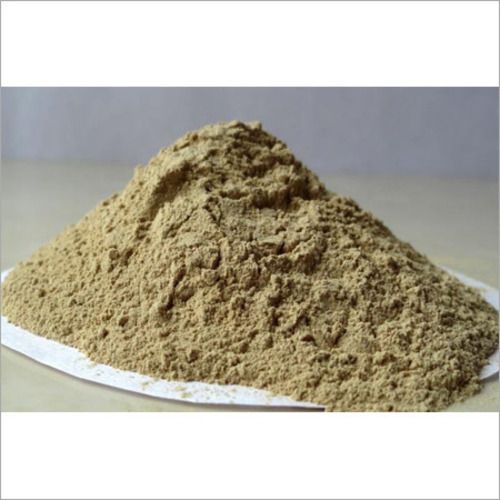
Tell us about your requirement

Price:
Quantity
Select Unit
- 50
- 100
- 200
- 250
- 500
- 1000+
Additional detail
Mobile number
Email

More Products in Minerals Category
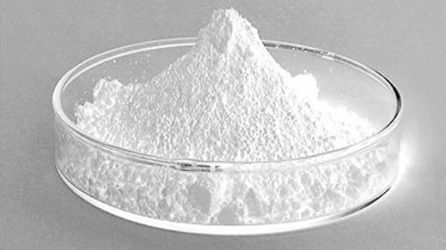
Limestone Powder
Minimum Order Quantity : 100 Kilograms
Color : White
Shape : Powder
Application : Industrial
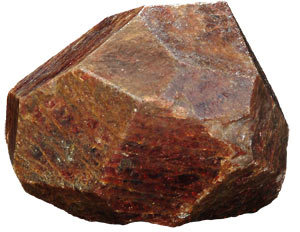
Zircon Sand
Color : Brownish
Shape : Other, Granular
Application : Used in ceramic casting and moulding applications as a refractory material
Chemical Composition : Primarily composed of zirconium silicate (ZrSiO4)
Porosity : Low porosity
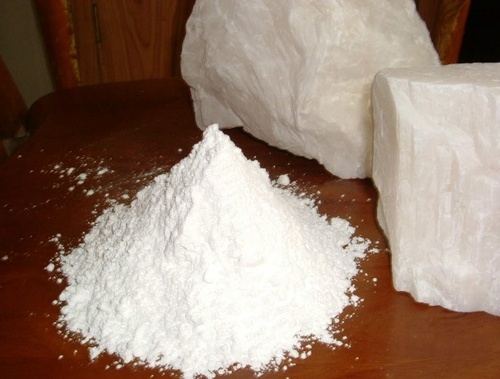
Talc Powder
Color : White
Shape : Finegrain particles, Other
Application : Cosmetics Paints Pharmaceuticals Ceramics Plastics
Chemical Composition : Hydrated magnesium silicate (Mg3Si4O10(OH)2)
Porosity : Low
Calcium Carbonate
Color : White
Shape : Granular or fine powder, Other
Application : Used in industries such as plastics paints construction and pharmaceuticals
Chemical Composition : CaCO3
Porosity : Low

 Send Inquiry
Our Products

7/1, Lords Building, Room No. 506, Lord Sinha Road, Kolkata - 700071, West Bengal, India

Mr Raghav Goenka
(Director )
Mobile :07971549307
 Send Inquiry
 Send SMS
Developed and Managed by Infocom Network Private Limited.
